

Icon writing is a unique form of sacred art, dedicated to creating images – icons depicting saints, biblical scenes, and events linked to faith. This art form originates from the tradition of the Eastern Church, with roots reaching back to the early centuries of Christianity, particularly in Byzantium, where icons became an integral part of liturgical and spiritual life.
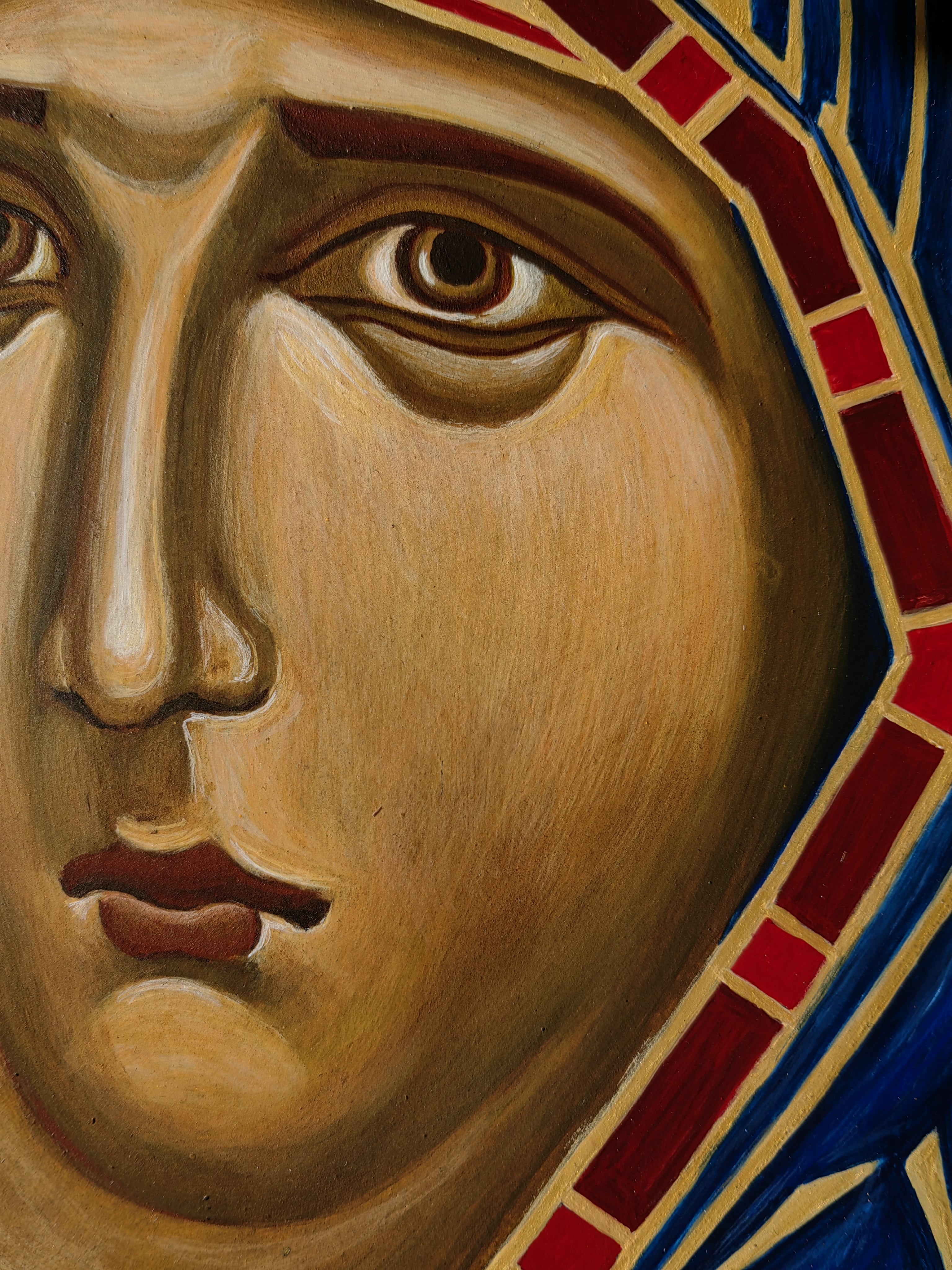
Icon writing is not merely the creation of images in an artistic sense. It is a spiritual process in which the artist – the iconographer – serves as a transmitter of the Church’s tradition. Icons are not intended to function solely as works of art, but as bearers of profound theological meaning, revealing the Divine presence, the Mystery of the Saviour, and the foundations of the Christian faith. They symbolise the union of heaven and earth, the visible and the invisible, and thus become objects of veneration and prayer.
The writing of icons is bound to strict rules and techniques, passed down from generation to generation. This process demands great precision, patience, and spiritual dedication. Iconographers, the creators of icons, work in accordance with tradition, with the aim of faithfully conveying religious truths. These works are carried out on specially prepared wood, often using the tempera technique, which involves applying paints in many layers, giving the icon its distinctive, mystical character.
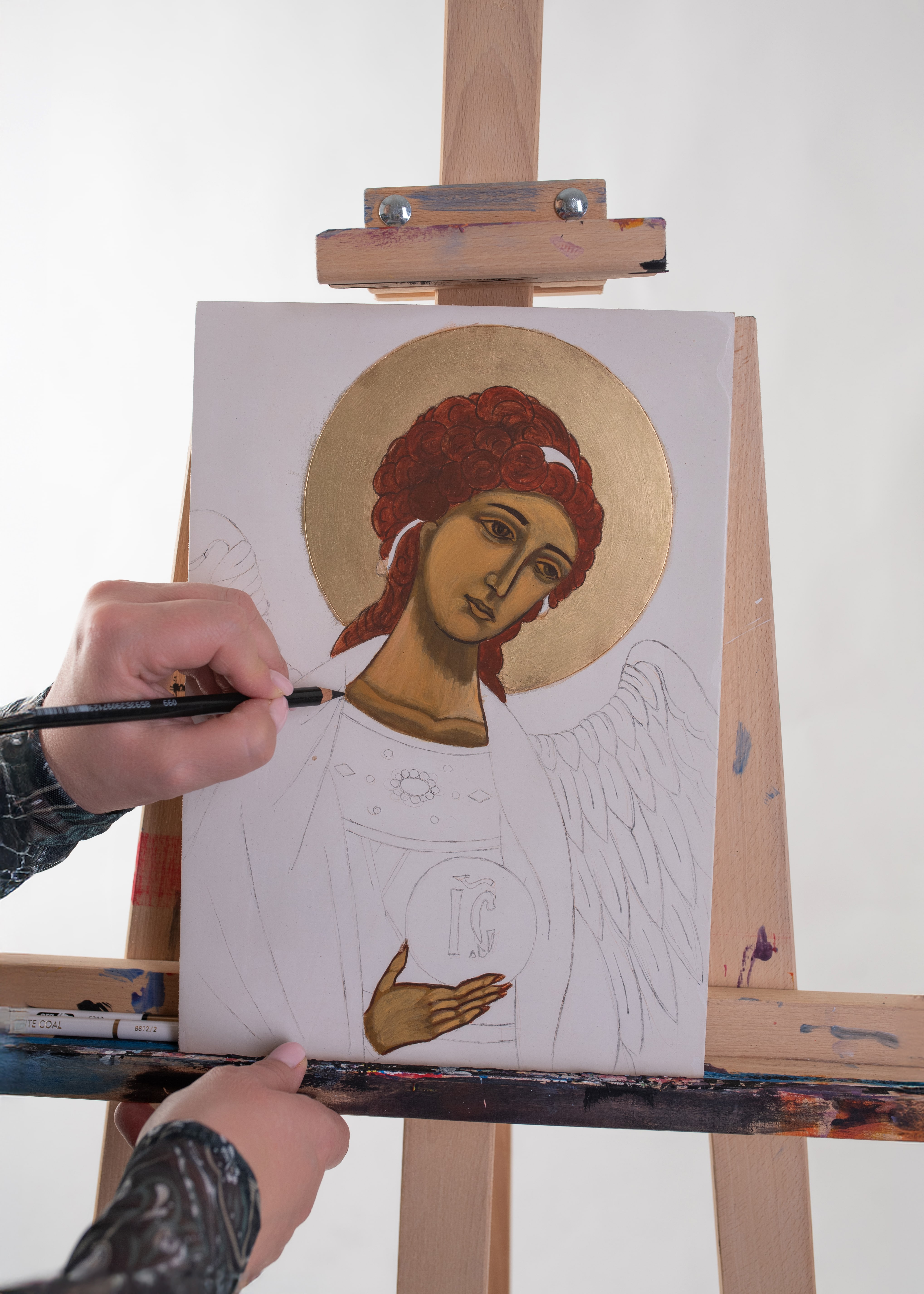
In iconography, what matters is not only artistic skill but also the spirituality and prayer that accompany the creation of each icon. The iconographer does not sign their works, as the essence of this vocation lies in conveying divine truth rather than the personal expression of the artist. In this way, the icon becomes a bridge between humanity and God, and its role within the tradition of the Church is invaluable.